
The liver makes proteins that the blood needs for clotting, so if it’s not doing its job, you may bleed or bruise more easily. It could be a sign that you’ve got a condition called cirrhosis, which is scarring of the liver. While waking up with a few minor bruises after drinking may not be cause for concern, repeated or excessive bruising should be https://hunaric.meatpull.com/the-stages-of-alcoholism-signs-and-treatment/ evaluated for an underlying disorder. Listen to your body and don’t assume all bruises related to alcohol are inevitable. Being more mindful when drinking, using protective strategies, addressing nutritional deficiencies, and treating medical conditions can all help reduce bruising.
Be Responsible During Drinking
- All form submissions are 100% confidential and your policy could cover the complete cost of treatment.
- Around 10% of people experience non-epileptic seizures triggered by syncope, low blood sugar, POTS, panic attacks and more.
- These combined effects increase the likelihood of bruising after drinking alcohol.
Let’s break down the mystery of these bruises and learn to take better care of your body. Often, bruising after drinking is a result of falling or bumping into something. Coordination problems from alcohol consumption make injuries more likely, and since alcohol dilates the blood vessels, you’re more likely to bruise if you do fall or bump into something. Finally, one potentially serious cause of alcohol and bruising is alcohol liver disease.

Healthy aging
Bruises develop when the impact from an injury causes small blood vessels near the skin’s surface, called capillaries, to break. The broken capillaries cause bleeding under the skin, which shows up as a bruise, according to the Mayo Clinic. The bruise fades as the blood from the broken capillaries gets reabsorbed into the body — a process that typically takes a do you bruise easier when drunk week or two.
- Vasculitis refers to a group of conditions that cause inflamed blood vessels.
- Your body’s ability to form a proper clot can be affected if you don’t have enough platelets (low platelet count) or they aren’t functioning properly.
- After all, falling is bound to leave you with some sort of bruise…even if you fall in an ideal way to avoid a worse injury.
- Consuming enough water is one efficient way to promote optimal hydration.
When to contact a doctor
- That vital organ, which sits on the right side of your body beneath your rib cage, processes all of the blood in your body and cleans it of toxins before releasing it into circulation.
- In addition to easy bruising, bleeding disorders can cause frequent nosebleeds, heavy periods, and bleeding that does not stop after 10 minutes.
- By doing so, you may notice a decrease in the frequency and intensity of your bruises.
- There are many other potential causes of bruising, including injury, certain medications, and underlying medical conditions.
- But as we get older, those blotches can start to show up more easily.
But damage to blood vessels below the skin causes them to rupture and leak blood. Liver-related bruising often appears with jaundice, abdominal swelling, or fatigue. The bruising may be more severe than expected and takes longer to heal. People with chronic alcohol use, viral hepatitis, or metabolic disorders face higher risk of liver-related clotting problems. While senile purpura is cosmetically concerning, it’s medically harmless and indicates chronic sun damage rather than underlying what is alcoholism disease. However, it signals increased fragility that makes these areas prone to skin tears and injuries.
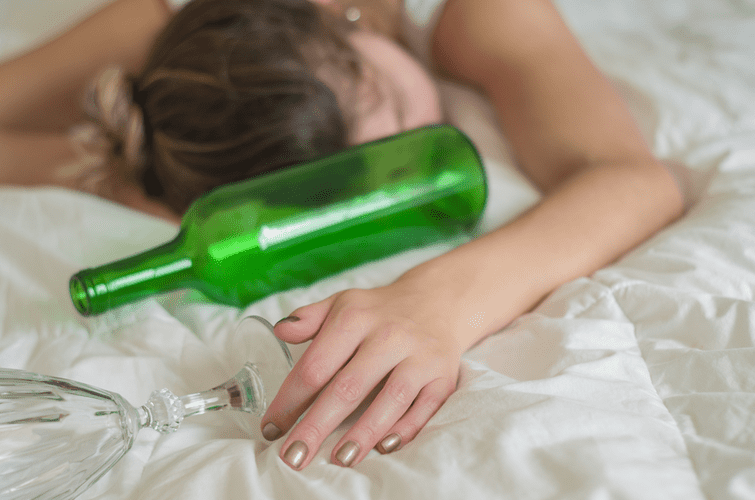
Among these health issues caused by frequent heavy drinking are the occurrences of bruising after drinking alcohol. If such cases befall you, step back for a moment to weigh on the more significant health issue it has brought upon your health condition. Dilated blood vessels can make bleeding more likely when you drink. If you have cirrhosis from alcohol liver damage, you’re also more likely to bleed and bruise easily. Sometimes, bruising after drinking occurs because of the fact that alcohol dilates the blood vessels. When blood vessels are dilated, you’re more likely to experience a bruise after bumping into something.
According to UPMC, your liver contains about 10 percent of your total blood supply at any given time. According to the National Library of Medicine, a bruise is a mark under the skin, usually painful and swollen, that occurs because of blood trapped beneath the skin’s surface. When a person gets a bruise, some sort of injury crushes blood vessels, but the skin does not break and cause external bleeding. What all of this means is that people who live with an alcohol use disorder are likely to consume large quantities of alcohol. While some people may have just a drink or two on special occasions, people with an alcohol use disorder may lose control of their drinking, and consume ten or more drinks, for example. They may have such a high tolerance that they do not show any overt signs of intoxication, despite drinking large amounts.