
Conversely, chronic alcohol consumption results in heightened production of those same cytokines 66, 67, does alcohol make you look older 68–69, 71, 75, 76–77. Advanced age and alcohol consumption have profound effects on innate immune cells. In fact, many of the pathways and functions of innate immune cells are common between aging and alcohol ingestion, as shown in 1, 4. Therefore, the effects of alcohol intoxication in the elderly are likely combinatorial, if not synergistic, resulting in poorer outcomes after infection for this population.
- Cellular regeneration is a natural bodily function that occurs at pretty much all times so long as we are not consuming detrimental substances that block this ability.
- While moderate alcohol consumption might not cause permanent damage, chronic and excessive drinking can lead to long-term skin issues, including premature aging and persistent dryness.
- Jake also makes reference to another coloring effect that alcohol can induce, but instead of darkening, it causes the skin to flush.
Alcohol and the Aging Process
Sugary cocktails and mixed drinks spike blood sugar levels, increasing oil production and clogging pores. Additionally, alcohol weakens your immune system, making it harder for your body to fight off acne-causing bacteria. Without the chronic inflammation caused by alcohol in your system, your skin will have a better immune response.
Skincare Routine Adjustments
Individuals with a family history of longevity often exhibit slower aging processes, including better skin condition, suggesting that genetic factors play a significant role in the https://ecosoberhouse.com/ aging process 4, 13, 20. A comprehensive literature search was conducted to identify relevant studies on skin aging and intrinsic aging mechanisms. The databases used for the search included PubMed, Web of Science, and Scopus. The search focused on peer‐reviewed articles, clinical studies, and scientific reviews published in the last two decades (2004–2024). In addition to the biological mechanisms of skin aging, the economic and societal relevance of the aging and anti‐aging market has grown significantly.
Other Ways that Alcohol Impacts Aging
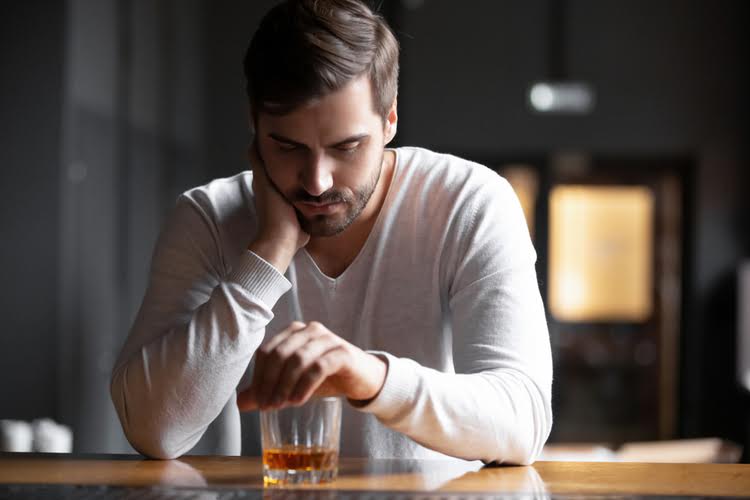
It is obvious that when someone with a serious alcohol addiction stops drinking for 6 months or a year, they start to look way healthier. Well, people in recovery tend to improve their hygiene, diet, sleep, and water intake. These are all factors that impact our skin’s appearance,” says Serene. Drinking too much alcohol can also affect the DNA in your cells. It does this by causing permanent or chronic inflammation within the body that continues to damage cells as time goes on.
Take the first step. Start addiction treatment today.
- What supplements can help support recovery from alcohol-related aging?
- This review considers photoaging as a proper subset of extrinsic aging.
- Frequent and excessive drinking can lead to various skin issues.
- At first it is manifested by black dots on the nose, forehead or chin.
- However, your environment and lifestyle choices can sometimes cause your skin to age prematurely.
Alcohol’s inflammatory effect impairs the immune response, which increases your susceptibility to bacterial infection. For many people of East Asian descent, alcoholic beverages cause prominent flushing on the face, neck, shoulders and sometimes the entire body. This effect is due to a genetic condition that interferes with the metabolization of alcohol.
Definition of skin aging
Facial flushing after drinking is a little bit like an allergic reaction, a reaction of alcohol intolerance. When the body is processing alcohol, it breaks it down into other substances to make it easier to flush out. It is worth knowing the physical changes that alcohol can bring so what is Oxford House that you can weigh the risks and cut back on your consumption if necessary.
Are there any skincare products that can counteract alcohol’s effects?
Given the connection between liver function and skin health, address any liver issues. Abstaining from alcohol is the primary step, but medical treatment and lifestyle changes may also be necessary for liver recovery. Embracing a healthier lifestyle can contribute to skin recovery. Regular exercise, adequate sleep, and stress management are factors that can positively impact skin health. Recognizing the potential for alcohol-related skin damage is beneficial, as it can serve as a visible indicator of broader health issues.

Studies show that those with this genetic variant are at higher risk for alcohol abuse and related health issues. Being mindful of alcohol consumption is essential for preventing these potential risks. Reducing intake or alternating with non-alcoholic beverages can help maintain skin hydration levels.
Associations between alcohol use and accelerated biological ageing
These differences may be due to the aforementioned anatomic and stimulation conditions used by each group interrogating NK cell function in the context of advanced age. A critical role of NK cells is their cytotoxicity in that the diminution of NK cell cytotoxicity in mice leads to decreased cancer immunosurveillance 279, 280. Some laboratories have documented a diminished cytolytic capacity from NK cells in older individuals 260, 261, 281.
How Long After Quitting Drinking Does Skin Improve?
It affects collagen production and can worsen conditions like acne and rosacea if you drink. Understanding these effects is crucial for anyone who values their skin’s health and drink. This post will explore the connection between drinking alcohol and skin health, offering insights and tips for maintaining a glowing complexion while enjoying social drinks responsibly. Multiple types of receptors are involved in the detection of pathogen and pathogen‐derived moieties, leading to the activation of similar signaling pathways in many types of innate immune cells. PAMPs are detected by PRRs, which include TLRs, RLRs, and NLRs 37.